Summarize this text with artificial intelligence
Choose your preferred tool to generate a short summary of the text.
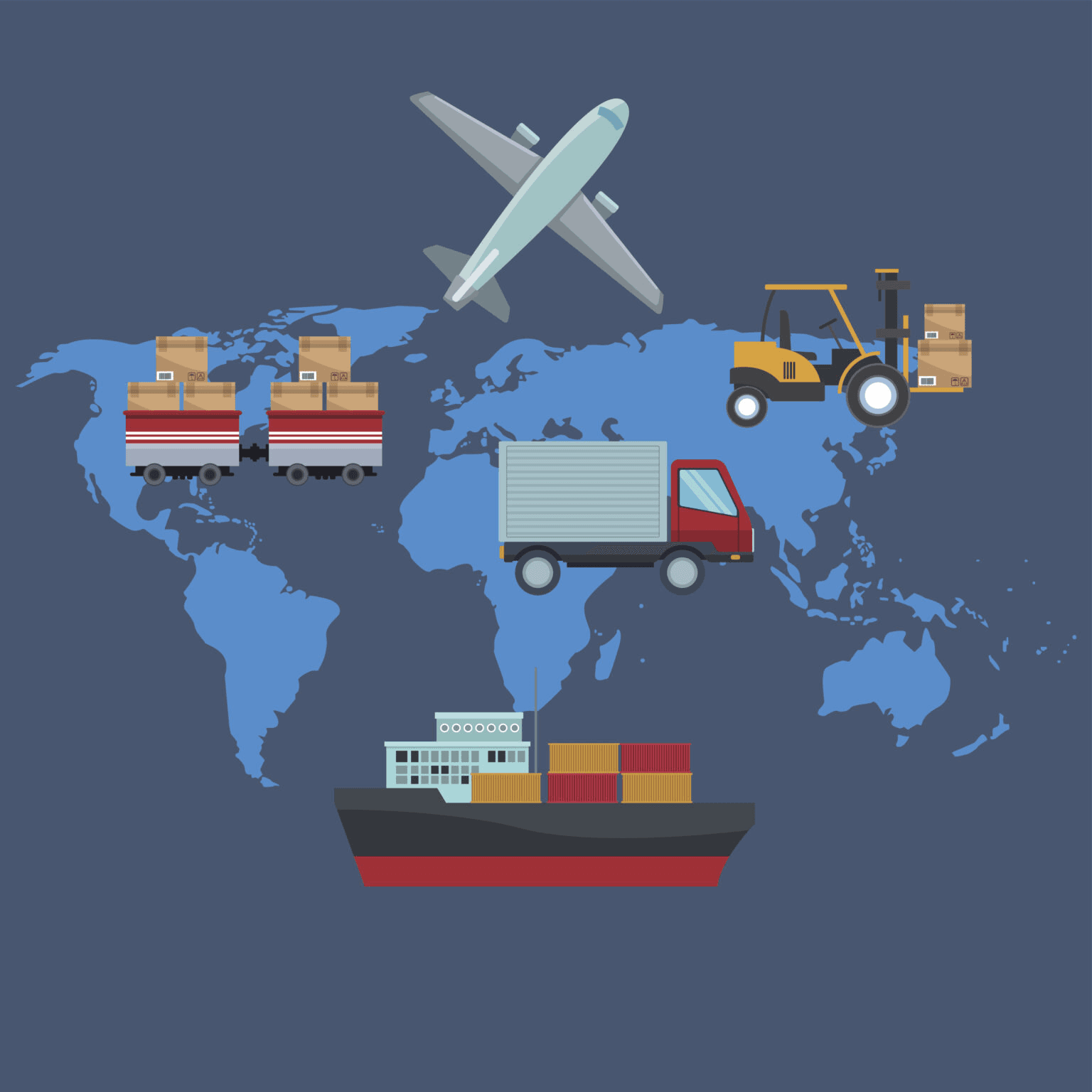
For e-export businesses, secure, efficient, and cost-effective shipping processes are among the most important factors for competitive advantage. Providing delivery options that are both fast and cost-effective in international e-commerce logistics directly affects customer satisfaction. Delivery time, customs clearance, cargo tracking, and automation solutions are among the key factors that must be considered for successful shipping management.
If you are interested in learning detailed information about shipping management and process optimization in e-export, exploring the most suitable shipping methods, delivery strategies, and logistics solutions, you can keep reading.
The Importance of Shipping Management in E-Export
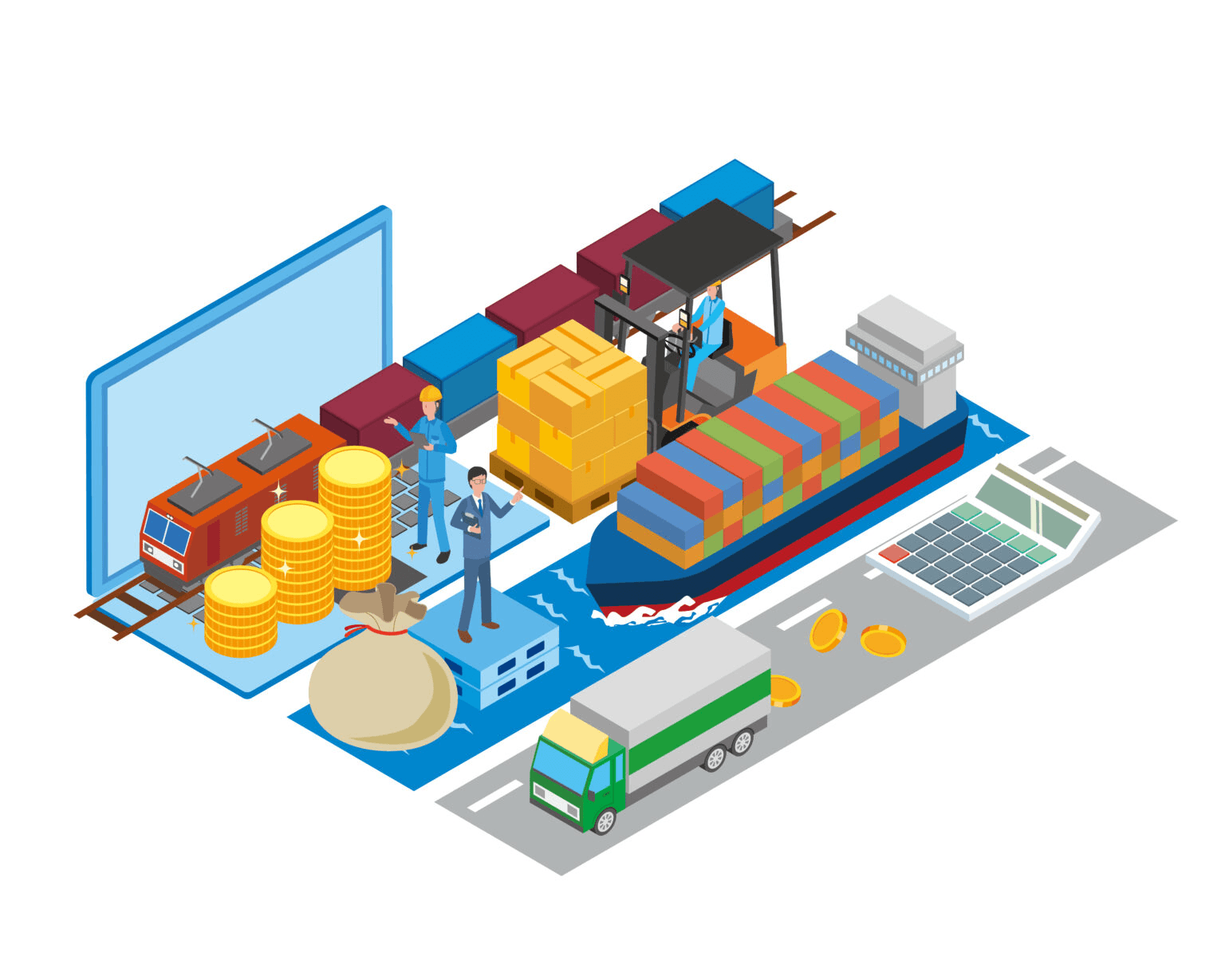
Proper shipping management in e-export both increases customer satisfaction and helps businesses optimize their costs. Shipping processes that are not managed correctly can lead to delivery delays, high return rates, and customer loss. Therefore, developing fast and low-cost logistics solutions enables businesses to compete in the international market. On the other hand, transparency in shipping processes is a major advantage for businesses selling globally. Real-time tracking systems, customer notification processes, and strong collaborations with logistics partners are of critical importance for successful shipping management. An effective shipping strategy provides operational efficiency to businesses and increases brand reliability.
Use of Automation in the Shipping Process
Automation is one of the most important factors that make the e-export shipping management process faster and more efficient. Automation solutions such as order management systems (OMS), warehouse management systems (WMS), and transportation management systems (TMS) ensure automatic routing of orders, facilitate inventory tracking, and speed up the shipping process.
In addition, automated address verification systems and AI-powered logistics solutions prevent incorrect address entries, reducing return and delay rates. Shipping management software integrated with e-commerce platforms helps minimize costs and increase delivery speed by ensuring that orders are routed to the most suitable carrier.
Robotic process automation (RPA) and artificial intelligence-based logistics analytics optimize shipping processes in e-export even further. While RPA systems minimize human error by automating repetitive tasks, AI-powered forecasting algorithms help determine the most suitable inventory levels by analyzing demand fluctuations. These systems predict order volumes in advance, allowing for more effective management of warehouse and logistics processes. Thus, businesses can both reduce their costs and increase customer satisfaction by delivering orders to customers faster.
Automatic labeling and packaging systems also speed up the shipping process and make it more efficient. By using autonomous robots and smart conveyor systems in warehouses, it becomes possible to process and package orders in the fastest way. Barcode and RFID technologies facilitate order tracking, making warehouse management more efficient while reducing error rates. Fully automated logistics management saves both time and labor, allowing e-export businesses to become more competitive in the global market.
Delivery Strategies That Increase Customer Satisfaction
One of the most effective ways to increase customer satisfaction in e-export is to offer fast and flexible delivery options. Standard, express, and same-day delivery options play a major role in meeting different customer needs. Especially e-commerce businesses with fast delivery options can increase customer loyalty and boost their sales.
Customer notification processes are also of great importance. Providing order tracking via SMS and email ensures that customers are continuously informed about their orders. In addition, offering customers the option to choose a time slot during delivery can enhance the delivery experience and increase customer satisfaction.
The Most Suitable Shipping Methods in E-Export
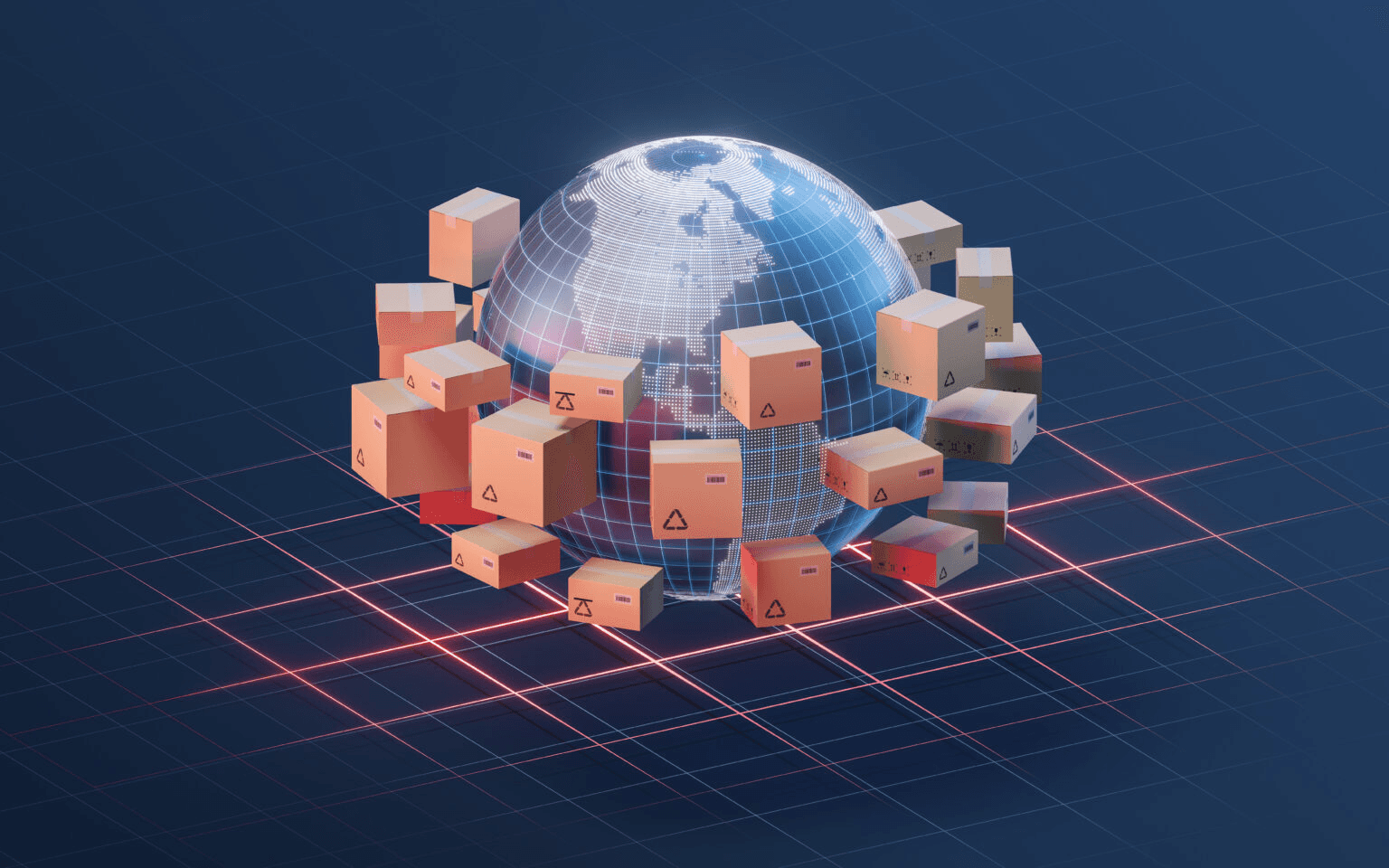
The shipping methods that can be used in e-export also vary depending on the business's target market and shipment volume. Although air freight transport is an ideal option for orders requiring fast delivery, it is higher in terms of cost compared to other transport methods.
As a more cost-effective alternative, sea freight transport offers a more economic solution for transporting high-volume and heavy cargo. Road transport can be a flexible and cost-effective shipping method, especially for shipments made to close markets like Europe. Railway transport, on the other hand, is a reliable logistics solution for large-scale and regular shipments.
Multimodal transport stands out as one of the most efficient shipping methods in e-export. The system, which combines road, sea, air, and rail transport, helps optimize delivery times while reducing costs. For example, in shipments from the Far East to Europe, the main transport can be done by sea, and the final delivery can be carried out by road or rail at the destination, making the process both economical and fast. This method provides a great advantage, especially for e-export companies that have large-scale orders and want to expand their operations in global markets.
On the other hand, dropshipping and third-party logistics (3PL) solutions are other important methods that optimize costs in e-export. Since products are shipped directly from the supplier to the customer in the dropshipping model, additional storage and transport costs are eliminated. 3PL services speed up final delivery processes by ensuring that products are shipped from logistics centers in specific regions. Working with logistics companies that offer local storage and distribution services, especially for large markets like the US, Europe, and Asia, both increases customer satisfaction and can significantly reduce international shipping costs.
Ways to Speed Up Customs Processes
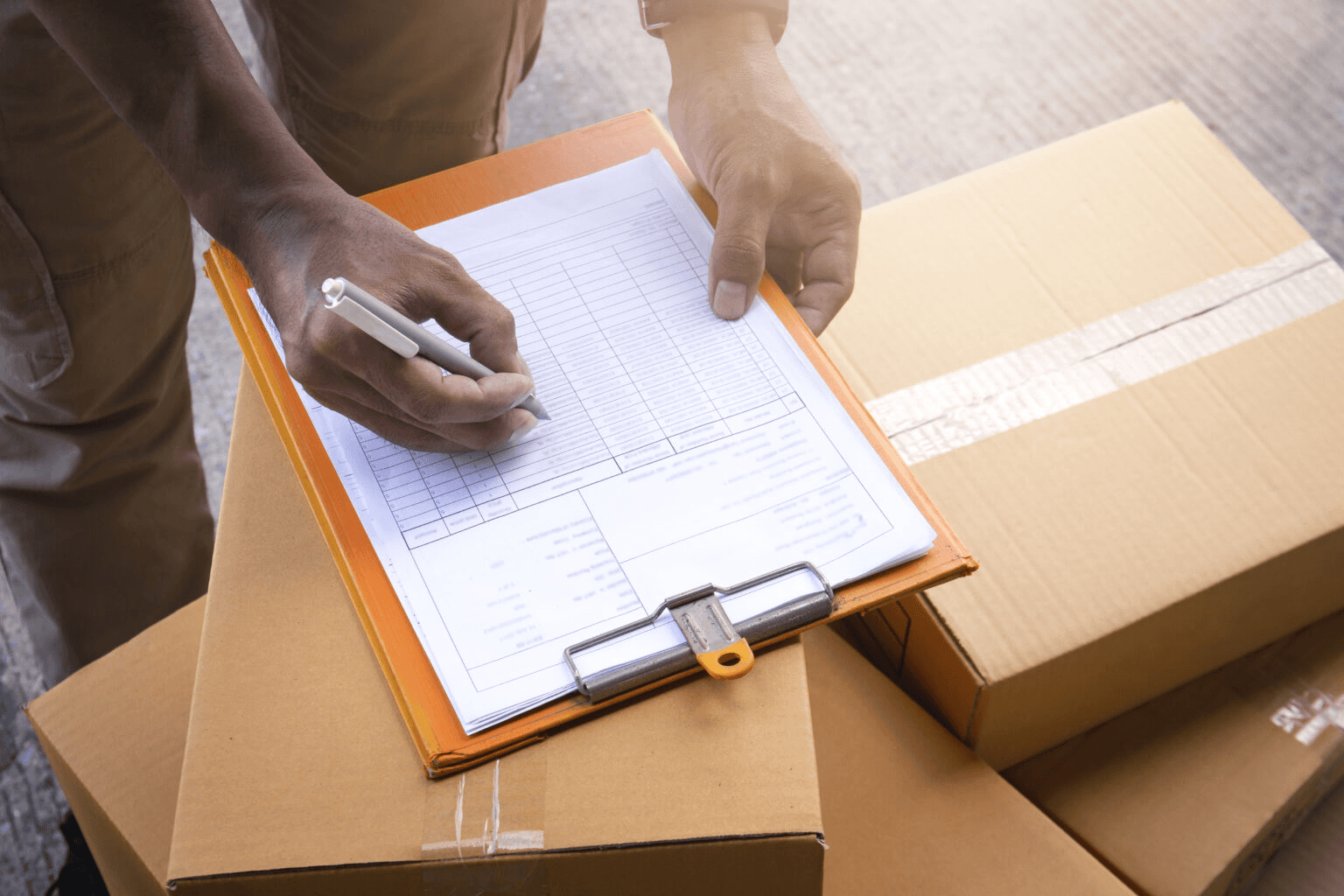
Customs processes can be one of the biggest time losses for businesses engaged in e-export. Incomplete or incorrect documents can lead to shipments getting stuck at customs and additional costs. Therefore, it is highly important to ensure full compliance with customs procedures and present the required documents completely. On the other hand, working with authorized customs brokers can help speed up customs clearance procedures. Having knowledge about customs duties and procedures prevents unexpected costs and ensures the process progresses faster. Pre-declaration systems and automated customs clearance solutions allow the customs processes of products to be completed more quickly.
Evaluating free trade agreements (FTAs) and customs facilitation programs can bring significant cost advantages to businesses. While Turkey's Customs Union agreement with the European Union makes it possible to be exempt from additional taxes on many product groups, programs such as Authorized Economic Operator (AEO) status provide firms with priority customs procedures, speeding up the process. In addition, digital customs systems and blockchain-based logistics solutions can minimize error rates by speeding up documentation processes. Therefore, prioritizing digitalization in customs processes by exporting businesses saves time and increases operational efficiency.
Advantages of Cargo Tracking Systems

Cargo tracking systems are one of the critical elements that increase transparency and customer satisfaction in e-export logistics. Digital platforms providing real-time tracking offer businesses the opportunity to monitor every stage of the shipping process and detect possible delays in advance. In addition, providing customers with a tracking number increases reliability by allowing them to easily check their order status. Advanced tracking systems help better manage logistics processes and optimize delivery times by providing integration with carriers.
A fast and cost-effective shipping process in e-export allows businesses to gain a competitive advantage in global markets. Choosing the right transport method, utilizing automation systems, improving customer notification processes, and speeding up customs clearances are critical factors for successful logistics management.
By implementing the best shipping strategies, you can increase customer satisfaction, speed up delivery processes, and minimize logistics costs. For businesses selling globally, proper shipping management ensures sustainable growth and higher customer loyalty in the long run.