Summarize this text with artificial intelligence
Choose your preferred tool to generate a short summary of the text.
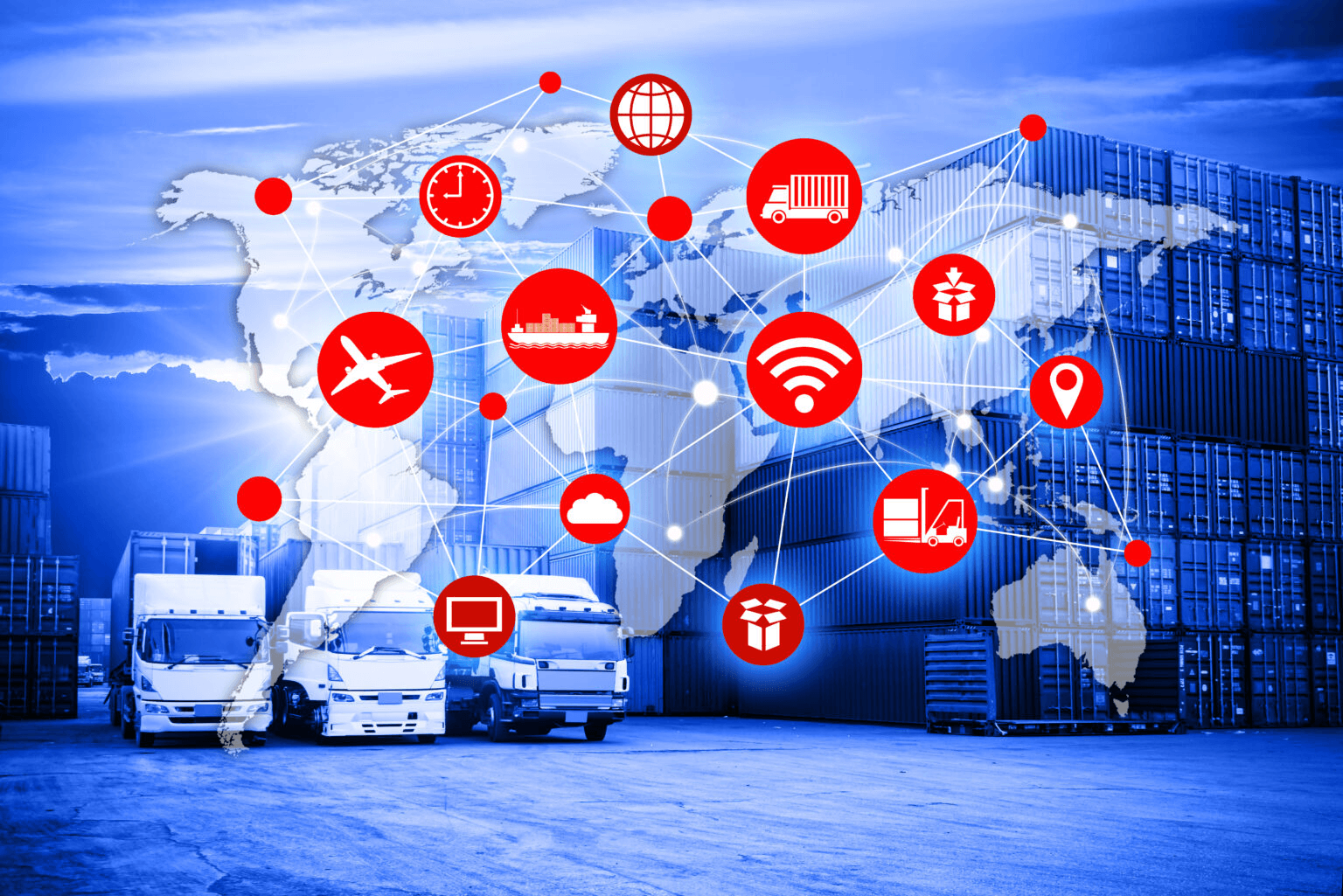
The e-export system is one of the most effective ways for small and medium-sized enterprises (SMEs) to open up to global markets. However, without proper logistics management, selling internationally may not be sustainable due to high costs and operational difficulties. Inventory management, shipping processes, customs procedures, and cost-effective transportation options are among the key issues that need to be considered for a successful e-export strategy. If you are also curious about critical topics such as quick and economical shipping options, warehousing and distribution strategies, and simplifying customs processes by addressing suitable logistics solutions for SMEs, you can continue reading our content where we offer practical suggestions for e-commerce companies to optimize their international transport processes.
How to Manage Logistics Processes in E-Export?
To successfully manage logistics processes in e-export, it is necessary to create a comprehensive transportation and distribution plan. Small businesses can make processes more efficient by using digital solutions and third-party logistics services (3PL) instead of traditional logistics models. Another important issue is inventory and order management. It is possible for SMEs to reduce storage costs and minimize the risk of excess inventory by using demand-based stock management (Just-in-Time). Furthermore, automatically routing orders to logistics providers thanks to e-commerce integrations speeds up operational processes and reduces the margin of error. Transparent management of the shipping process is also an important factor that increases customer satisfaction. Real-time cargo tracking systems prevent potential delays by allowing the status of orders to be viewed instantly.
Data analytics and AI-powered logistics solutions can also enable more effective management of logistics processes in e-export. Machine learning-based forecasting systems can predict demand fluctuations by analyzing past order data and help businesses determine their stock levels in the most efficient way. Thus, unnecessary inventory costs are minimized while the risk of stockouts is prevented. In addition, dynamic pricing and route optimization algorithms help reduce costs by choosing the most suitable shipping carrier and delivery routes in transportation processes. All these digital solutions enable small and medium-sized enterprises to become more competitive in e-export, thereby increasing customer satisfaction.
Shipping Solutions for Small Businesses
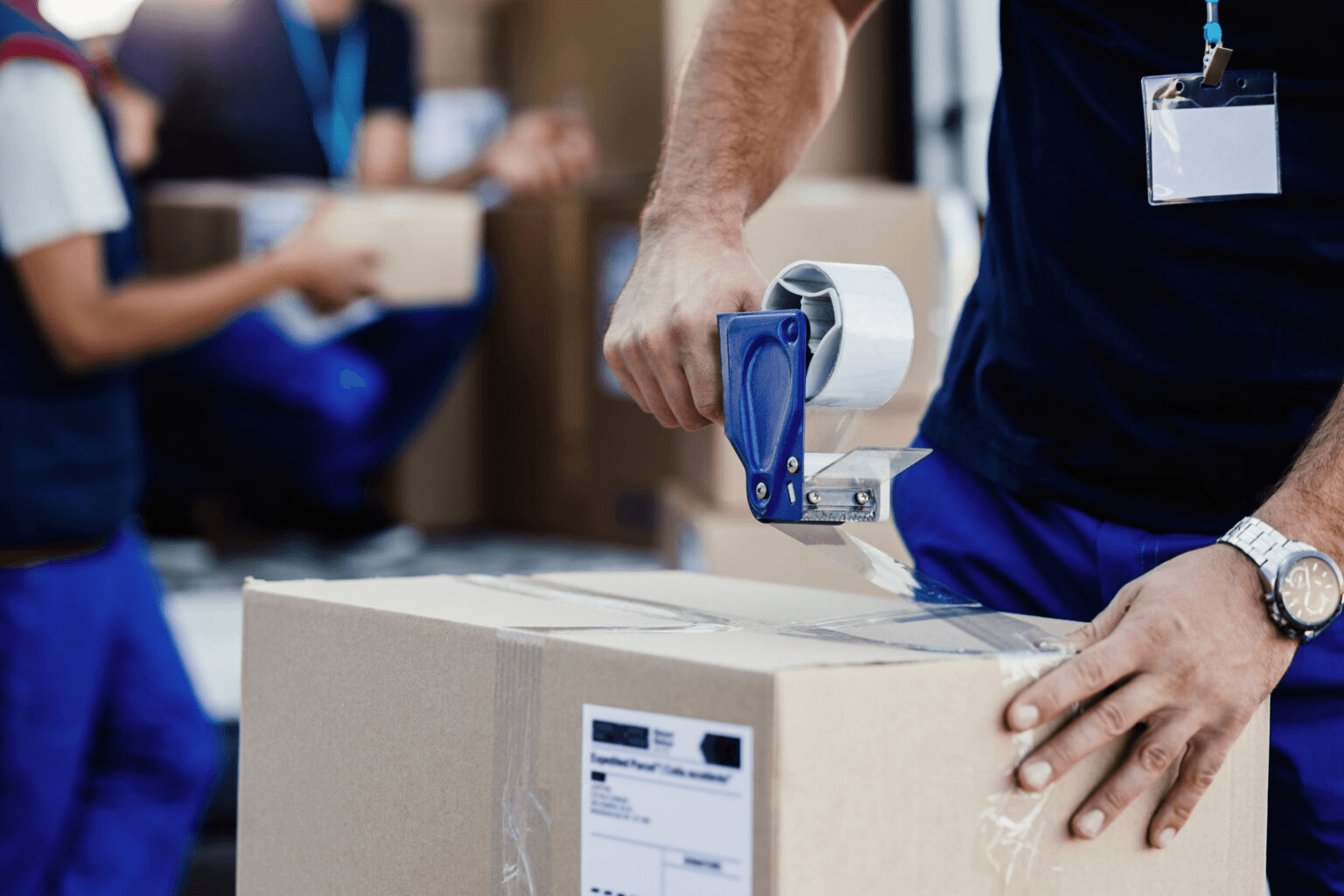
Choosing the right shipping solution for small-scale e-export businesses is one of the most critical steps in minimizing operational costs. It is important to determine the one most suitable for the business's needs among different transportation methods such as air, sea, and road freight. International express cargo companies (DHL, FedEx, UPS) can be a good option, especially for products that are lightweight and require fast delivery. However, for businesses looking for large-volume and lower-cost solutions, sea freight or combined transport methods might be more suitable. Small businesses operating with a dropshipping model, on the other hand, can avoid additional warehousing and logistics costs by shipping directly from the supplier to the customer.
On the other hand, micro-export opportunities for SMEs are one of the effective ways to reduce shipping costs. In Turkey, quick and low-cost transport solutions are offered through the ETGB (Electronic Commerce Customs Declaration) for shipments up to 300 kg and 15,000 Euros. Thanks to this, small businesses can make international sales more easily and at lower costs.
Warehousing and Distribution Strategies
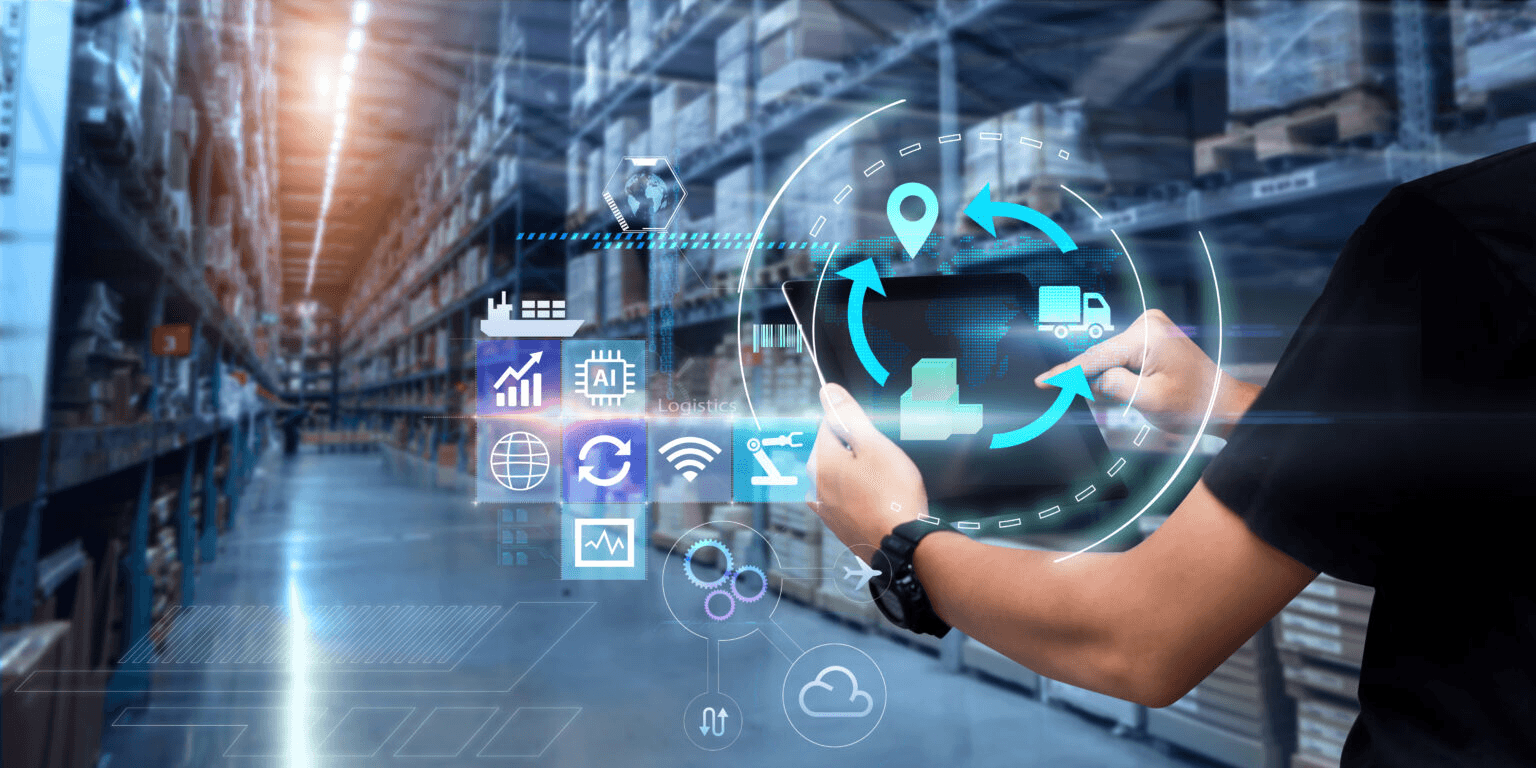
Creating an effective warehousing strategy in the logistics processes of e-export businesses shortens delivery times and increases customer satisfaction. Third-party logistics (3PL) companies offer great advantages for businesses that do not want to use their own warehouses. Regional warehousing solutions enable faster and more cost-effective delivery to international customers. For example, SMEs selling to the US and European markets can reduce shipping times by routing their orders from logistics centers in those regions. Services like Amazon FBA (Fulfillment by Amazon) provide great convenience to small businesses regarding inventory management and rapid delivery. On the other hand, digital inventory management solutions like RFID and barcode systems make warehouse processes more efficient. Automated inventory tracking increases operational efficiency by reducing order processing times and minimizing errors.
Fast and Cost-Effective Transportation
Ensuring fast delivery while minimizing shipping costs is one of the biggest priorities for businesses in e-export. Bulk shipping strategies for small businesses offer more economical transport options by reducing the cost per shipment. In addition, delivery times can be optimized using hybrid logistics solutions. For instance, lowering costs with sea freight and carrying out the final delivery by road or air can make logistics processes more balanced. Multimodal transport options in international transport offer great advantages in terms of both cost and speed. Moreover, working with e-commerce logistics companies that offer fast delivery options can increase customer satisfaction, thereby boosting repeat purchase rates. Logistics providers that optimize delivery times help businesses increase their competitiveness in the market.
Using regional warehousing and local distribution centers can also significantly shorten delivery times in e-export. SMEs can both speed up the shipping process and lower costs by directly routing their orders to consumers from strategically located storage points. For example, a business selling to the European or US markets can deliver its orders faster and more cost-effectively by working with 3rd party logistics (3PL) companies in these regions. On the other hand, automated order routing systems can optimize delivery times by shipping from the closest warehouse or logistics center. All these strategies provide a competitive advantage in global markets, increasing customer satisfaction and sales conversions.
Customs Processes in E-Export
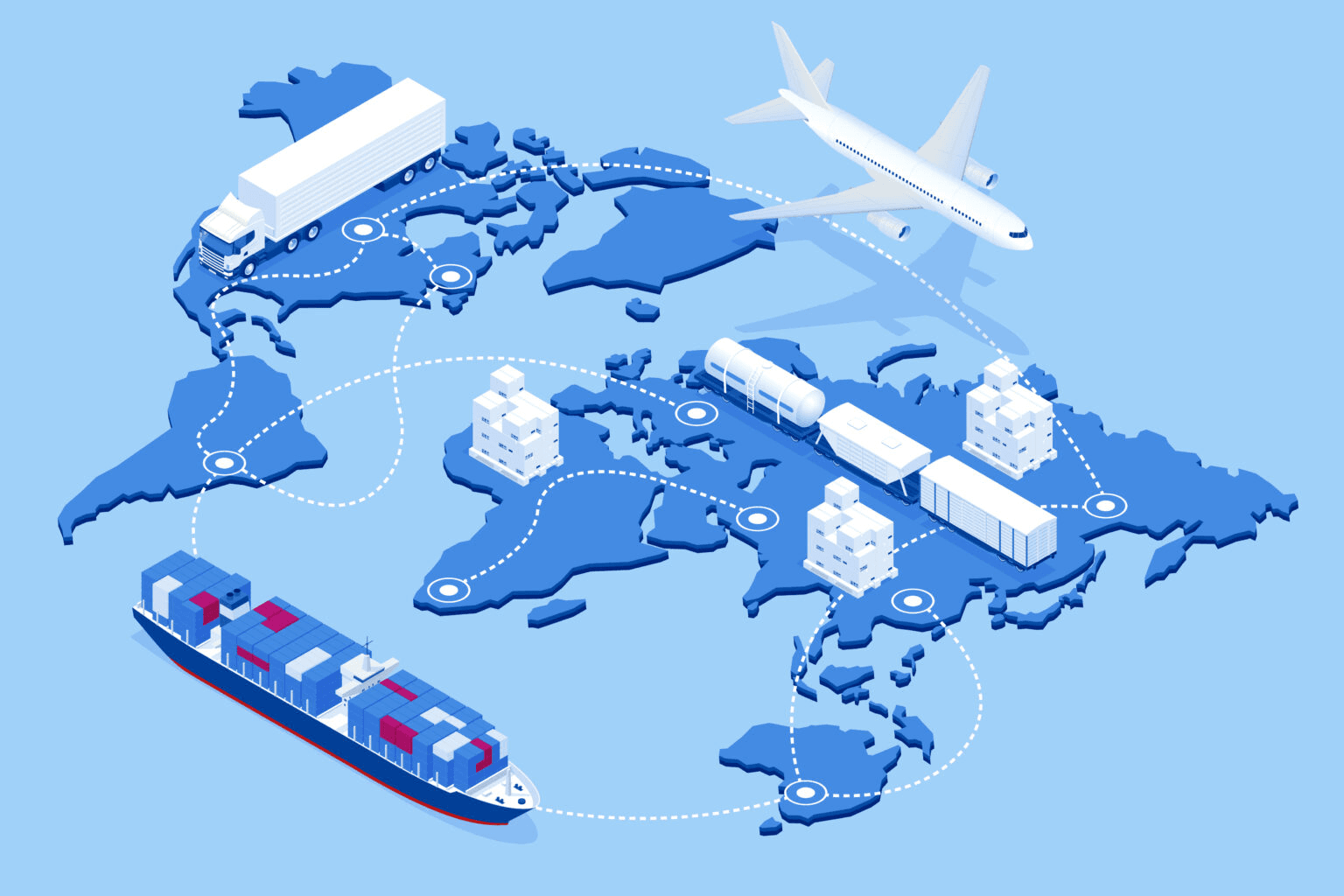
Customs processes can be one of the biggest challenges faced by e-export businesses. Preparing the correct documentation and ensuring compliance with customs procedures are also critical factors for the smooth progress of the logistics process. Working with authorized customs brokers to speed up customs processes can minimize the bureaucratic obstacles that businesses may encounter. Furthermore, customs duty costs can be reduced for certain product groups by taking advantage of the benefits offered by free trade agreements.
Digital custom clearance solutions like ETGB (Electronic Commerce Customs Declaration) for SMEs minimize manual procedures by speeding up processes. These digital solutions allow businesses to move faster in the international market and export at lower costs.
Logistics Guide for E-Commerce Companies
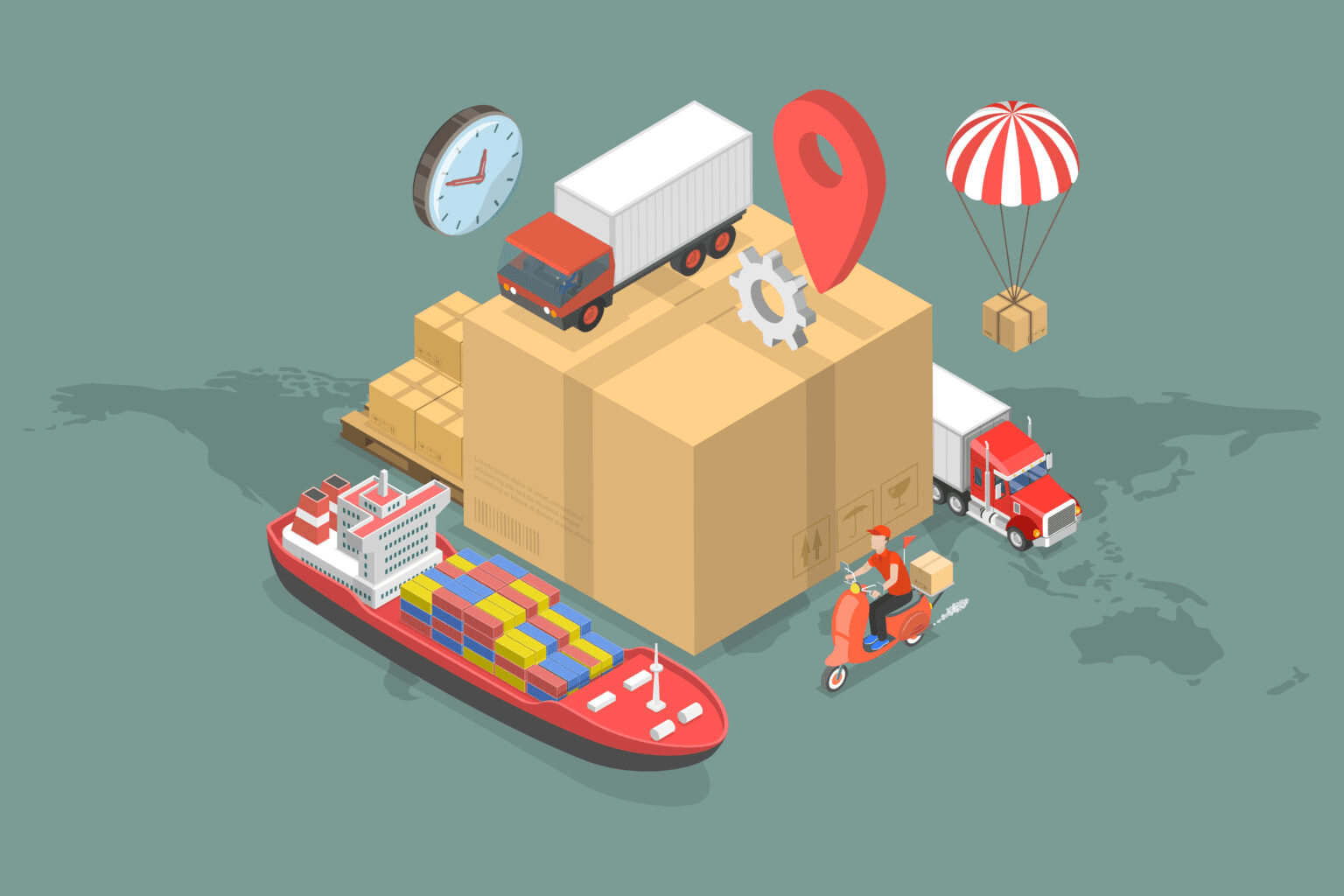
The effective management of logistics processes for small and medium-sized e-commerce enterprises is a critical factor for operational success. Delivering orders on time, offering low-cost transport options, and increasing customer satisfaction ensure the long-term success of businesses. For this reason, SMEs need to optimize their operations by choosing the most suitable logistics partners, utilizing automation systems, and using digital solutions. Companies acting with the right strategies during e-export logistics solutions can achieve a stronger position in global markets, ensuring long-term sustainability.
Properly managing logistics processes in e-export is an important factor for small and medium-sized enterprises to succeed in international markets. Inventory management, shipping optimization, smooth progress of customs processes, and cost-effective shipping solutions help businesses gain a competitive advantage on the global stage. Working with digital logistics systems, automation solutions, and third-party logistics (3PL) companies reduces logistics costs while increasing customer satisfaction by shortening delivery times.
Applying the most appropriate logistics strategies for SMEs both increases operational efficiency and supports sustainable growth in international trade. With the right shipping model, regional warehousing solutions, and automated order routing systems, e-export businesses can both minimize their costs and increase customer loyalty. If you also want to discover the best logistics solutions to grow your business globally, you can benefit from Navlungo's solutions.