Summarize this text with artificial intelligence
Choose your preferred tool to generate a short summary of the text.
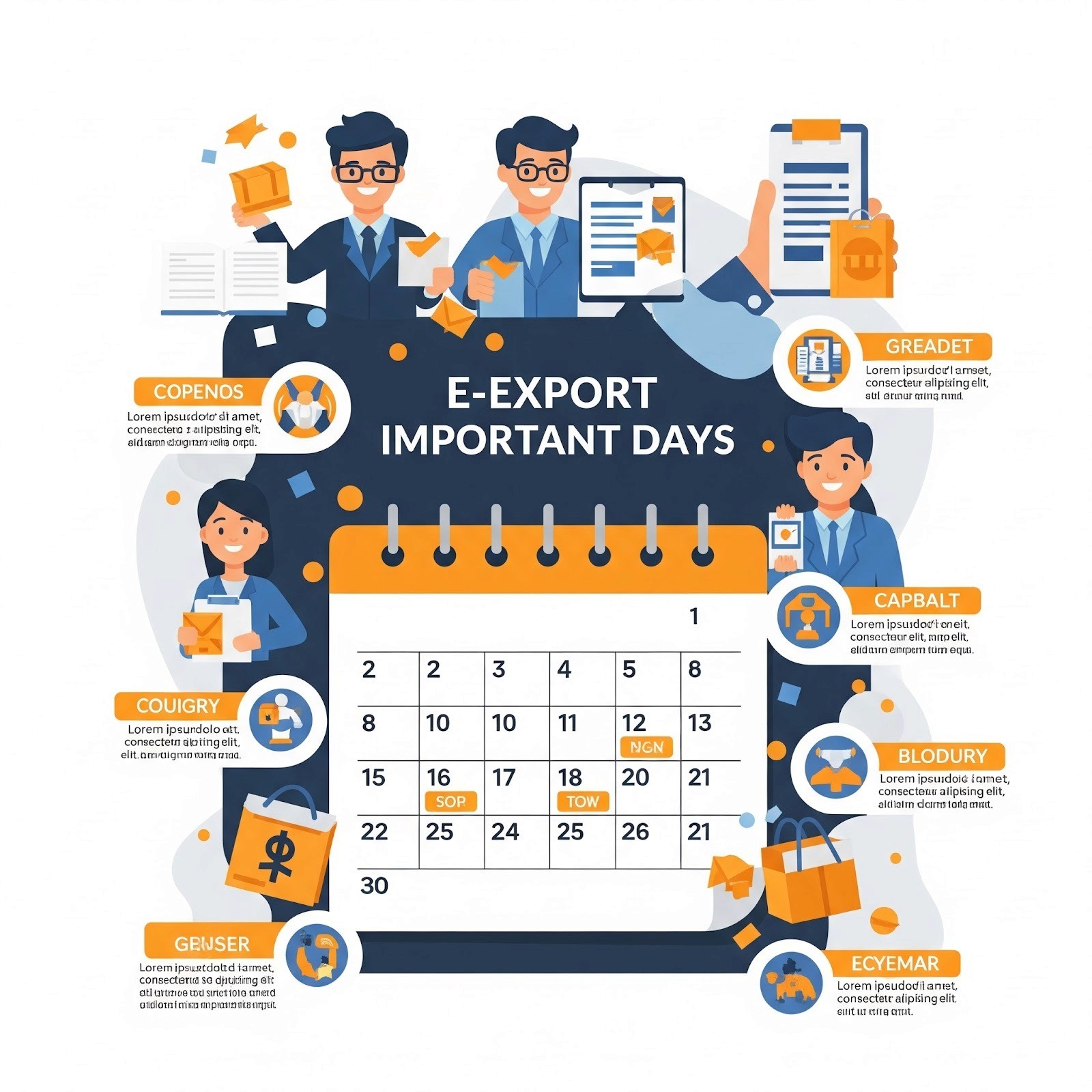
Learn the critical sales days for E-Export! Tips to increase your sales during Black Friday, Cyber Monday, and other special periods are right here!
E-export offers great opportunities for brands looking to expand into global markets. However, to be successful in these markets, product quality and logistics alone are not enough. Knowing the periods when sales are most intense and developing strategies specific to these periods is also of critical importance. Especially global shopping campaigns, holidays, and year-end campaigns included in the list of important days for e-export create opportunities that increase sales volume for businesses.
Although each country has its own unique holidays and special days, periods such as Black Friday, Cyber Monday, and New Year discounts shape consumer behavior on a global scale. Being caught unprepared on these days leads to a loss of sales, whereas international sales enhancement methods can be implemented with correct campaign planning. Therefore, for businesses to gain a competitive advantage in global markets, they need to identify these days in advance and create a strategic roadmap. This way, businesses can take more conscious steps in campaign planning processes in global markets. If you are also wondering about the details that e-exporters should consider, ranging from the most critical periods of the year to global campaign days, from campaign planning on special days to seasonal sales tactics, you can continue reading.
The Most Critical Periods of the Year for E-Export
For businesses engaged in e-export, certain periods of the year are when sales reach their peak. These periods usually coincide with global shopping campaigns and holiday seasons. Companies that prepare for these days, when consumers devote more time to shopping and expectations for campaigns and discounts increase, can secure an important share from the list of top-selling days.
Among the prominent critical periods throughout the year are the pre-summer holiday, the back-to-school season, Black Friday, and the run-up to the New Year. During these periods, an increase in demand for different product categories is experienced in various markets. For instance, while clothing and travel products stand out before the summer season, gifts and electronic products are at the forefront before the New Year. For this reason, businesses must consider not only the Turkish market but also the consumption habits of their target global markets. Analyzing regional holidays alongside globally significant special days contributes to shaping sales strategies more accurately.
Black Friday and Cyber Monday Strategies
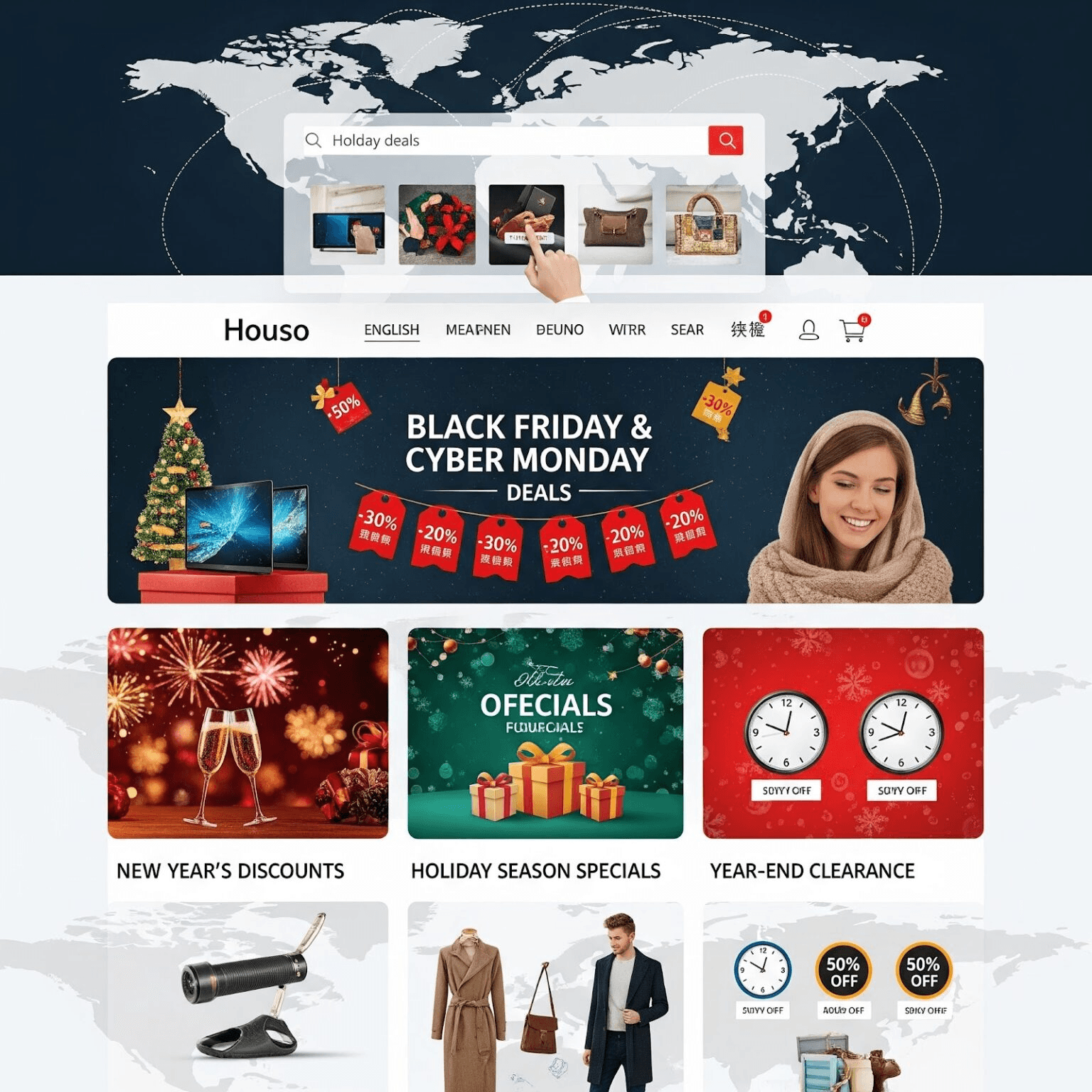
Black Friday and Cyber Monday offer the biggest sales opportunities of the year in e-export. Campaigns run during these days, especially in the US, Europe, and Middle East markets, significantly increase international sales. Black Friday e-commerce campaigns usually start in the last week of November and continue with Cyber Monday. During this process, consumers expect high discounts and attractive campaigns. To prepare for these days, businesses need to conduct inventory planning in advance, organize logistics processes, and increase their marketing budgets. Determining discount rates, selecting products to highlight, and optimizing advertising campaigns are the most critical parts of the strategy. Additionally, it is important to create content tailored to the habits of target markets on digital advertising platforms.
In this highly competitive period, it is possible to stand out not only through price discounts but also through methods that improve customer experience. For example, offering free shipping, fast delivery, packaging options, or additional promotions strengthens cyber monday export strategies. Consequently, brands can gain long-term customer loyalty instead of just short-term sales.
The Impact of Global Holidays on E-Export
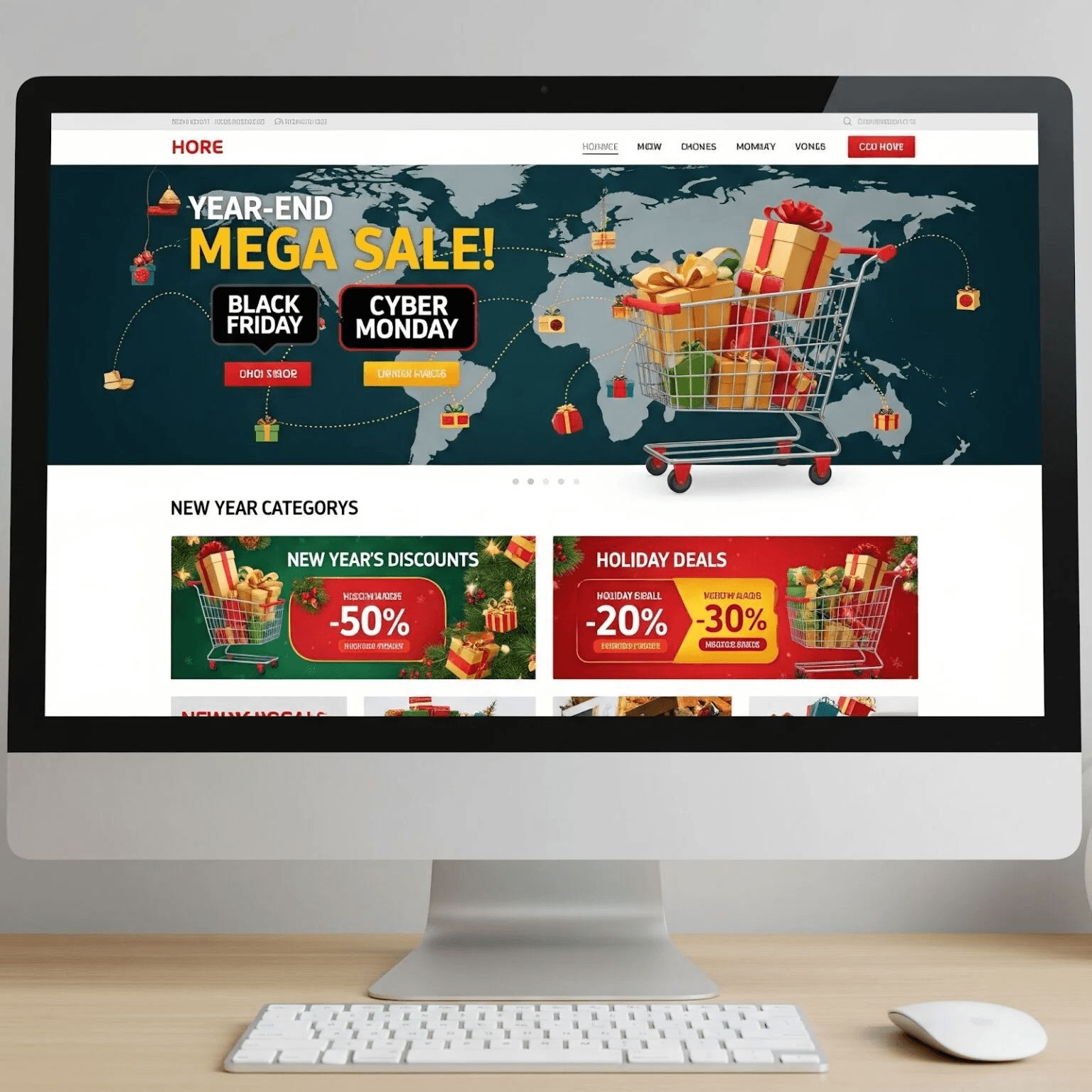
Another factor that brands engaged in e-export must consider is national and religious holidays in target markets. For instance, Singles' Day in China, Thanksgiving in the US, or Easter in European countries are among the days when sales substantially increase. These holidays are periods that boost consumers' shopping motivation and increase interest in campaigns.
Global holidays are of great importance not only in terms of sales potential but also in terms of logistical processes. For example, a slowdown in production and shipping processes may occur during the Chinese New Year period. Therefore, businesses must consider such periods when planning inventory and deliveries. In addition, product categories that stand out during holiday periods can also vary in different countries. While gift products stand out in Europe during Easter, demand for food and textile products rises in the Middle East market before Eid al-Fitr. Consequently, making market-specific campaign planning is a critical step among international sales enhancement methods.
Campaign and Discount Planning on Special Days
Not only global holidays but also special days offer great opportunities for e-export. On special days such as Mother's Day, Father's Day, and Valentine's Day, consumers turn to gift shopping. These relevant days present a significant opportunity for e-export sales on special occasions.
When planning campaigns for special days, product categories with which consumers build emotional connections should be highlighted. For instance, while jewelry, flower, and accessory categories are at the forefront on Valentine's Day, home decoration or personal care products may come to the fore on Mother's Day. In line with this, businesses should develop campaigns suitable for the habits of their target audience.
Another element that needs attention in campaign planning is the timing of promotional and advertising activities. Marketing activities starting at least a few weeks before special days ensure that consumers notice the campaigns. This increases the effectiveness of the campaign and leads the campaign planning process in global markets to success.
Seasonal Sales Tactics for E-Export
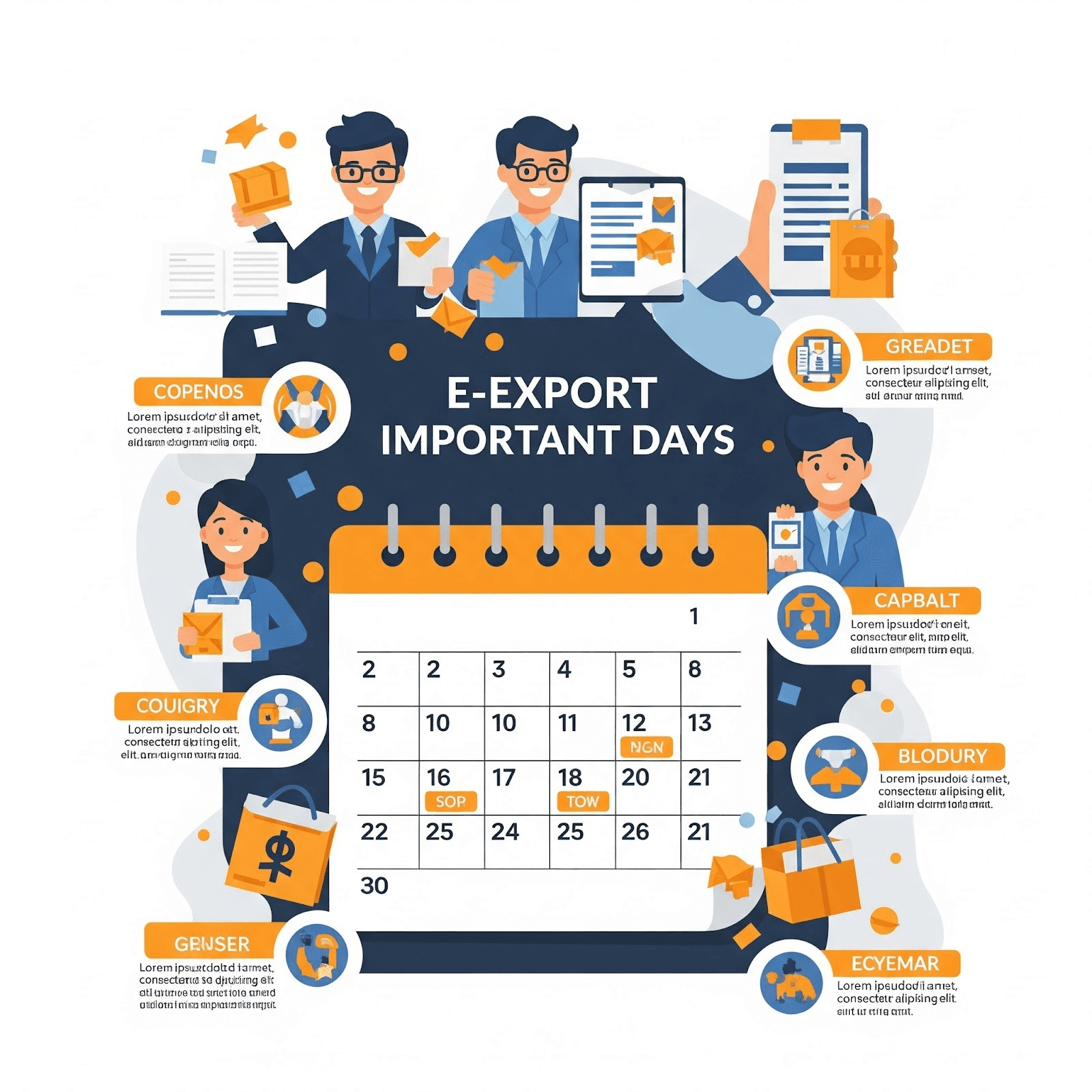
Seasonal sales are a constant source of opportunity for businesses engaged in e-export. Especially summer, winter, the school season, and holiday periods create demand growth in specific product groups. Developing seasonal strategies during these periods contributes to businesses achieving stable sales throughout the year.
One of the prominent methods in seasonal tactics is to highlight the right products by anticipating consumer needs in advance. For example, beach products and travel accessories can be highlighted for the summer season, while coats, shoes, and heating products can be brought to the forefront for the winter season. This addresses the seasonal needs of consumers. Furthermore, selecting the right advertising channels for seasonal campaigns is crucial. While social media campaigns and influencer collaborations stand out during the summer period, email marketing and targeted ads can be more effective during the school season. Thus, businesses can increase their sales in different seasons using holiday period strategies in e-commerce.
How to Plan Year-End and New Year Campaigns in E-Export?
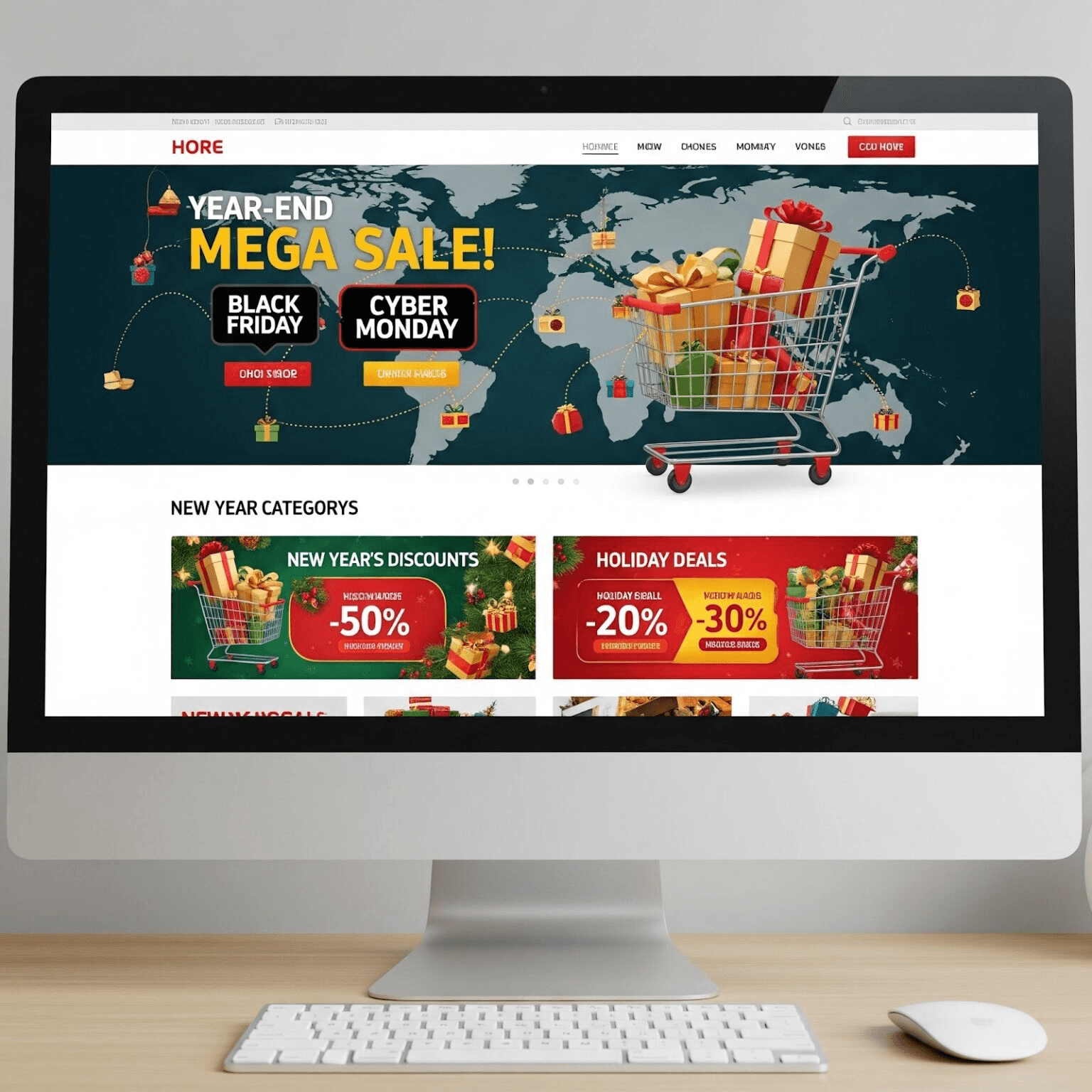
The year-end and New Year period is one of the most critical sales seasons for businesses engaged in e-export. During this period, consumers turn heavily to online platforms both with discount expectations and for gift shopping. Consequently, New Year discounts create a high sales volume in e-export.
When planning year-end campaigns, businesses need to increase their inventories, strengthen logistical processes, and especially consider the holiday dates of their target markets. Delayed deliveries during this period can negatively affect customer satisfaction. Therefore, robust management of the supply chain is a critical step. Additionally, it is recommended that brands run campaigns that add value to the customer experience rather than focusing solely on discounts during the New Year period. Special packaging, gift cards, and personalized recommendations increase consumers' loyalty to the brand. This way, businesses can successfully capitalize on the busiest sales period of the year under the scope of critical days in e-export.
Knowing the critical periods of the year and developing appropriate strategies for these periods is indispensable for sustainable success for e-exporters. While global shopping campaigns like Black Friday and Cyber Monday, New Year discounts, and seasonal opportunities provide businesses with high sales volumes, special days and holiday periods also allow brands to stand out in different markets. With correct planning, effective campaign management, and strategies tailored to the target audience, businesses can both increase their sales in the short term and secure a strong brand position in global markets in the long term.