Summarize this text with artificial intelligence
Choose your preferred tool to generate a short summary of the text.
The transportation sector is supported today by various vehicles and equipment that meet many different needs. One of these vehicles, the silo semi-trailer, plays an indispensable role, especially in the transportation of powder and granular materials.
Intensively used in the construction, agriculture, and food sectors, the silo trailer greatly facilitates and accelerates transportation and storage processes. So, what is a silo trailer and how does it work?
In this article, we will examine in detail what a silo semi-trailer is, its structure, and its working principles. We will also discuss the advantages that the silo trailer brings to the transportation sector, and how it makes transportation and storage operations more efficient. Here are all the curious details about the silo semi-trailer!
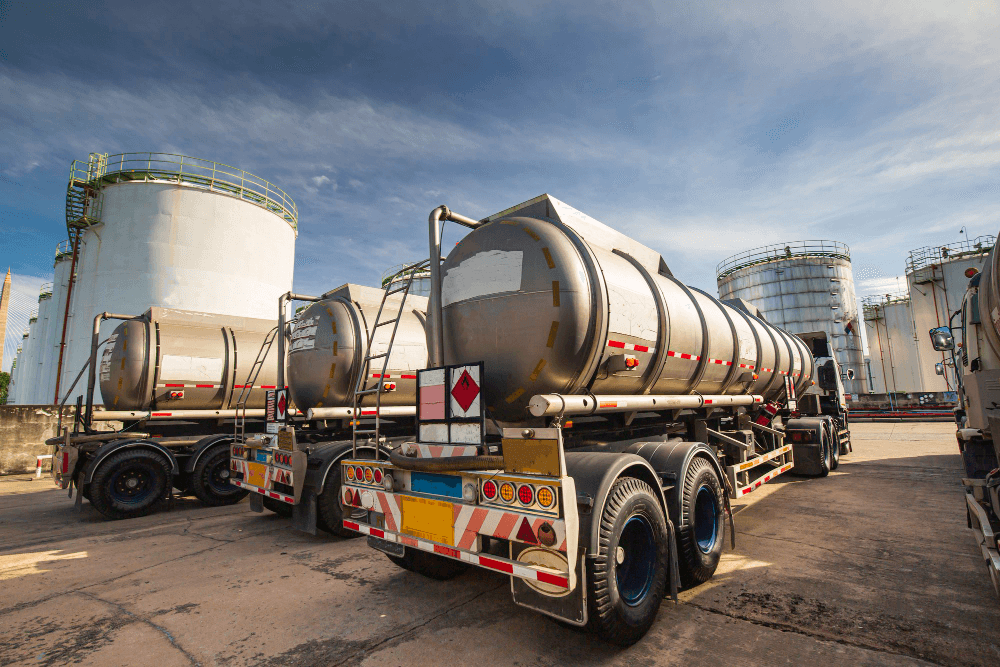
What is a Silo Trailer?
A silo semi-trailer (trailer) is a type of trailer specifically designed to transport materials in powder or granular form. This special trailer performs the functions of storing and distributing various bulk materials such as cement, flour, grain, calcite, and silica sand, in addition to transporting them safely and effectively.
The main structure of the silo semi-trailer is produced from high-strength steel and manufactured using special submerged arc welding machines, which ensures it has a long-lasting and durable structure.
The chassis, frame, and crossmembers of the silo semi-trailer are designed to withstand heavy loads even under harsh terrain conditions. Thanks to its high-strength steel structure, the silo trailer delivers reliable performance even in challenging transportation tasks. The air pressure-controlled system inside this trailer ensures that materials are discharged quickly and in a controlled manner.
The trailer’s design allows users to transport, discharge, and store materials quickly and safely. This increases operational efficiency and reduces transportation costs.
It holds an important place in the transportation sector and is produced in various capacities and sizes to meet the needs of this field. In addition, the environmentally friendly design of the silo trailer makes it possible to carry out material transportation in a more sustainable and economic way.
How Does a Silo Trailer Work?
The silo semi-trailer is an indispensable tool in the transportation and storage of raw materials in powder or granular form.
1. Raw material loading is performed
The filling process of the silo trailer usually takes place by gravity principle from high to low. The raw material is poured into the bellows section from above and flows into the tanker with its own weight.
2. Air and dust management is ensured
During raw material flow, dusty air is generated inside the tanker. This dusty air is discharged from the outer jacket of the bellows to the outside through an air exhaust pipe.
3. Dust collection system comes into play
The dust collection system connected to the air exhaust pipe effectively manages and filters the generated dusty air. This system also controls the proper flow and speed of the material by providing the necessary vacuum air.
4. Dust and air discharge takes place
The dust collection system separates air and dust particles, ensuring the recovery of dust particles while clean air is released outside.
6. Discharge process is completed
During the discharge process, the valves at the bottom of the silo trailer are opened and the raw material is discharged to the target destination. At this stage, the dust collection system is also activated, minimizing any dust leakage.
7. Cleaning and maintenance are performed
Following the discharge process, the inside of the silo trailer and the dust collection system are regularly cleaned and maintained. This ensures maximum performance and safety for the silo trailer with every execution.
This operating method of silo semi-trailers ensures that materials are transported quickly, safely, and efficiently. It also makes it possible to minimize environmental impacts. Thanks to the effective working principles of the silo trailer, operational efficiency and sustainability in the transportation sector increase significantly.
Advantages and Disadvantages of Silo Transportation
The advantages and disadvantages of silo transportation should be evaluated according to the transportation needs and budgets of businesses. Accordingly, let’s examine some general headings together.

Advantages of Silo Transportation | Disadvantages of Silo Transportation |
Efficiency: Silo transportation provides fast and efficient transport of bulk materials. Thanks to its high-capacity tanks, large amounts of materials can be transported at once. | Investment Cost: The investment cost of silo semi-trailers is high, which can initially pose a barrier for small and medium-sized enterprises. |
Safety: Thanks to the tight air and dust management systems in its design, materials are transported safely, minimizing the risks of spillage or leakage. | Maintenance Requirement: Silo transportation requires regular maintenance and cleaning. This means additional time and cost for businesses. |
Economic: Silo transportation provides cost-effectiveness, reducing transport costs and offering economic advantages for businesses. | Expertise Requirement: Silo transportation requires a certain level of expertise for operators and maintenance personnel. This can translate to additional training costs and loss of time. |
Environmentally Friendly: Thanks to dust collection and air filtering systems, silo transportation causes minimal damage to the environment and offers a sustainable transport solution. | Limited Application Areas: Silo transportation is primarily effective for transporting powder and granular materials and cannot be used for other material types. |
Flexibility: Flexibility is provided in the transportation sector thanks to silo trailers designed to transport different materials. | – |
You are viewing the table containing the advantages and disadvantages of silo transportation.
According to the points we examined, silo transportation can provide an excellent solution for specific sectors and applications. For other situations, alternative transportation methods can be considered.
What is the Environmental Impact of Silo Transportation?
Silo transportation is a highly effective method for transporting and storing materials in powder and granular form. It also offers important advantages in terms of environmental sustainability.
First of all, thanks to the closed system structure of silo transportation, the risks of spillage and leakage during the transport of materials are minimized. This situation prevents dust and other particles from mixing with the atmosphere, thereby reducing air pollution.
In addition, the integrated dust collection and air filtration systems of silo trailers ensure the filtration and cleaning of dusty air that arises during transport and during loading-discharging operations. These systems prevent the release of harmful particles into the environment, thus reducing the environmental impact.
Another advantage is that silo transportation, due to its high capacity and efficiency, allows for fewer trips to be made, thus reducing carbon emissions.
Silo transportation also prevents material waste and provides energy efficiency. Because this type of transportation allows materials to be transported, stored, and distributed quickly and effectively.
All these factors show that silo transportation has an important place in the transportation sector in terms of environmental sustainability. However, regular maintenance and proper operational practices are of critical importance to maximize the environmental advantages and minimize the negative impacts of silo transportation.
For What Purposes is a Silo Trailer Used?
Silo semi-trailer is used in many fields, primarily in the construction, food, and agriculture sectors. Preferred for transporting and storing materials in powder and granular form, the silo trailer is highly effective in transporting bulk materials such as cement, flour, grain, calcite, silica sand, and the like.
Thanks to rapid and secure loading-discharging operations, it increases operational efficiency and reduces transportation costs.

What is the Structure of a Silo Trailer Like?
The main structure of the silo trailer is manufactured from high-strength steel and produced using special submerged arc welding machines. This ensures that the silo trailer has a long-lasting and durable structure.
The chassis, frame, and crossmembers are designed to function under difficult terrain conditions and withstand heavy loads. The pressurized air systems and valves located inside ensure that materials are transported and discharged in a safe and controlled manner.
In addition, thanks to dust collection and air discharge systems, it minimizes environmental impacts and takes extra measures for the safety of employees.
How is a Silo Trailer Cleaned?
Cleaning the silo trailer is of critical importance for carrying out transportation operations safely and effectively. The cleaning process should be performed after each use or at specific intervals.
The inner surfaces of the silo trailer are cleaned using appropriate cleaning agents and high-pressure water jets. Dust collection systems and valves must also be regularly checked and cleaned.
Professional cleaning services or specialized personnel can be preferred for the maintenance and cleaning of the silo trailer. Regular cleaning and maintenance of the silo trailer guarantee long-term performance and safety. It also prevents potential occupational accidents and material losses.